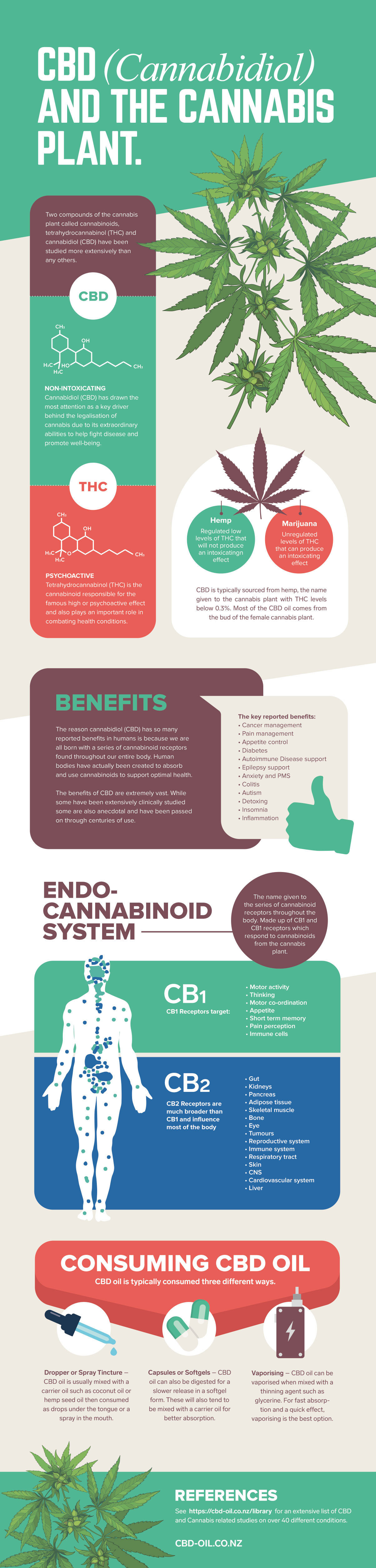
As an increasing number of individuals discover the potential benefits of cannabidiol, it has grown increasingly evident that this flexible compound can be modified to various lifestyles and needs. Including wellness enthusiasts to those facing specific health challenges, CBD offers a variety of applications that may enhance overall quality of life.
Comprehending how to tailor its use to suit personal circumstances is crucial to unlocking its full potential.
For individuals navigating personal health issues like dyspareunia or pelvic pain, CBD can serve as a beneficial option. Various forms, including suppositories containing CBD, provide targeted relief that might improve ease and promote a greater satisfying experience. Moreover, as conversations around pain management evolve, CBD's role in comparison to traditional opioids is growing more relevant. Through investigating CBD's adaptability, we can discover successful strategies for incorporating it into different lifestyles and wellness routines.
Comprehending CBD Suppository Forms
Cannabidiol suppositories are a novel 方式 for CBD that offers unique advantages for specific health concerns. In contrast to standard forms of cannabidiol, such as oil or edible forms, suppositories allow for direct absorption into the bloodstream through the anal or vaginal canal walls. This method can lead to faster onset of effects, making it a better option for those looking for immediate relief.
For people dealing with conditions such as dyspareunia-related pain or pain in the pelvic area, CBD suppositories can provide targeted relief. By targeting affected areas directly, cannabidiol can help lessen inflammation and discomfort, making intimacy more tolerable for people who feel pain during intercourse. This particular application is an crucial consideration for those looking for different treatment options to enhance their quality of life.
Additionally, CBD suppositories can be an efficient alternative for those apprehensive of traditional pain management options, like prescription painkillers. Delivering the therapeutic effects of cannabidiol without the negative impacts often associated with stronger medications, they present a natural option for pain relief. As an increasing number of individuals explore cannabis-derived treatments, understanding the potential of cannabidiol suppositories will become increasingly important for customizing solutions to personal needs.
Cannabidiol for Dyspareunia Relief
Painful intercourse, or discomfort during intimacy, can significantly impact intimacy and overall life satisfaction. Numerous people are seeking alternative therapies to manage this discomfort, and CBD has emerged as a potential option. By interacting with the body's endocannabinoid system, cannabidiol may help alleviate discomfort and promote soothing, making sexual encounters more satisfying for those affected by this issue.
Cannabidiol suppositories, in some instances, have gained attention for their direct delivery. These options allow for direct relief by targeting the pelvic area, potentially lessening irritation and creating a calming effect. This can be particularly helpful for individuals who experience discomfort during sexual activity due to specific health issues, making CBD suppositories a effective choice for those looking to enhance their sexual health.
Moreover, studies suggest that CBD may not only reduce soreness but also alleviate nervousness and improve emotional well-being, which are often factors contributing to dyspareunia. By incorporating cannabidiol into their wellness routine, patients may find a more comprehensive approach to managing the physical and emotional components of their situation, promoting a more satisfying relationship.
Cannabidiol for Pelvic Wellness
Pelvic health can significantly impact a individual's quality of life, and for numerous individuals, discomfort and pain can be a daily struggle. Cannabidiol has gained recognition for its potential to offer relief for various pelvic issues, including menstrual cramps and pelvic pain. By interacting with the endocannabinoid system, cannabidiol may help reduce inflammation and alleviate pain, making it an appealing option for those seeking holistic solutions.
For individuals experiencing dyspareunia, CBD may provide a solution worth considering. Its relaxing properties can help ease tension in the pelvic muscles, potentially making intimacy more comfortable. Additionally, cannabidiol suppositories have emerged as a favored way to deliver soothing effects directly to the pelvic area, offering targeted effects that can complement other forms of treatment.
It is essential to explore the various forms and methods of using cannabidiol when addressing pelvic health concerns. From https://www.thetimes.com/life-style/health-fitness/article/the-truth-about-cbd-do-cannabis-based-wellness-products-really-work-53smrtqhw and tinctures to suppositories, individuals can find the most suitable delivery method that suits their lifestyle and needs. This exploration can enable users to make knowledgeable decisions, especially as they evaluate cannabidiol with conventional pain relief methods like opioids, which may carry adverse effects and risks.
Comparing CBD versus Opiates
The rising attention in alternatives to conventional pain management approaches has caused numerous individuals to explore the distinctions between Cannabidiol and opioids. Opiates have for years been used for their potent analgesic properties, but they carry with significant risks, including addiction, overdose, and a range of side effects. In contrast, Cannabidiol, a non-psychoactive substance derived from cannabis, has been investigated for its therapeutic potential in managing pain and discomfort with a more positive safety profile. As awareness of opioids' dangers grows, many are turning to CBD as a viable option for alleviating pain without the comparable level of risk.
CBD has shown potential in various studies for its ability to reduce swelling and pain. For people suffering from conditions such as dyspareunia or pelvic pain, CBD could provide an different method of comfort. Unlike opiates, which can conceal pain but do not treat the underlying issues, CBD may help address issues related to inflammation and discomfort more holistically. This positions Cannabidiol as an desirable option for those seeking to find organic solutions without the heavy toll that opiates may impose on the body and mind.
While Cannabidiol and opioids can both be effective in pain management, they operate through distinct processes. Opiates bind to certain receptors in the brain, signaling a reduction in pain perception, whereas Cannabidiol interacts with the body's endocannabinoid system, promoting balance and possibly reducing pain and inflammation without the risk of dependence. This key difference makes CBD a compelling choice for those looking to customize their pain relief methods to more effectively fit their daily lives, emphasizing wellness and reducing the risks linked to opioid use.